
Gas Leaks Plumbing Services in Scio, OR
Scio Gas Leaks Pros on call now in Linn County
Gas Leaks offers an emergency plumbing service that involves the detection, isolation, and repair of leaking gas lines to protect occupants from fire, explosion, and health hazards. Technicians use advanced tools and certified protocols to address issues. This service focuses on urgent containment and compliance
We provide top notch Plumbing services throughout Linn County. Whether you need help with Gas Leaks or other issues, our Professionals is ready.

Plumbing Services in Scio, OR
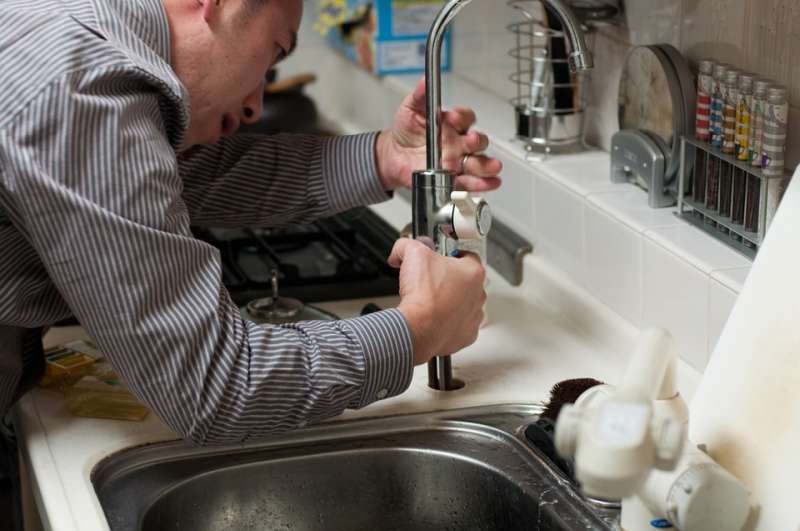
Installing dishwashing machines, hot water heater (tank and tankless), garbage disposals, and washing makers.
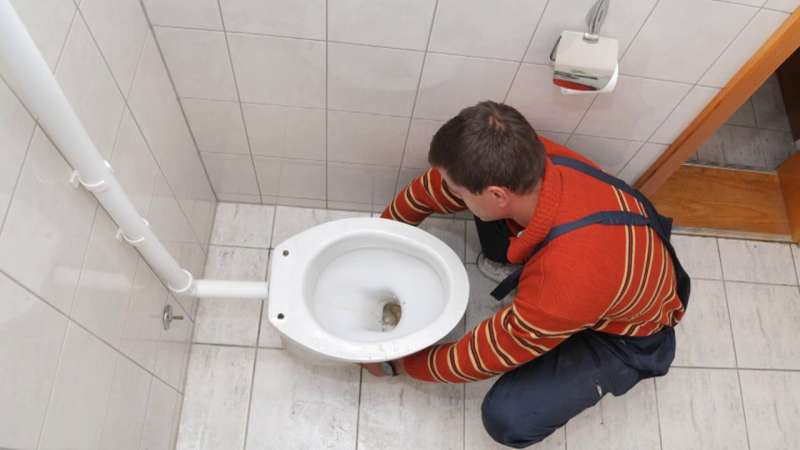
Ensuring backflow avoidance devices are working correctly.
Relocating or upgrading plumbing systems.
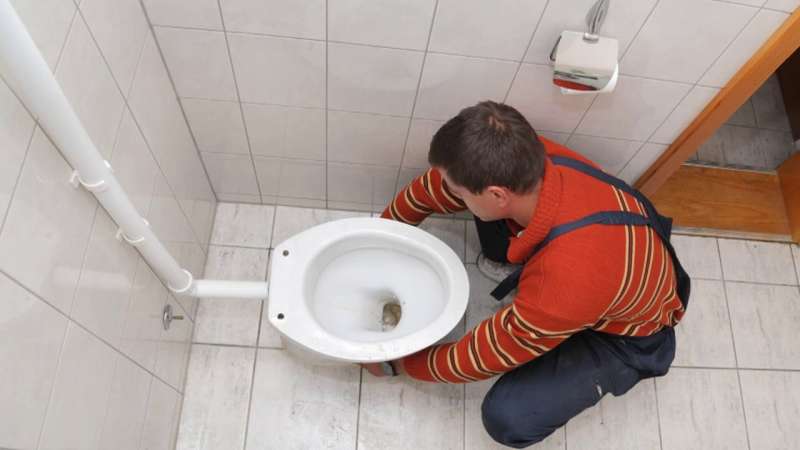
Guaranteeing plumbing systems fulfill regional guidelines.
Immediate response to prevent flooding and water damage.
Cleaning clogs in sinks, toilets, showers, and drain lines.
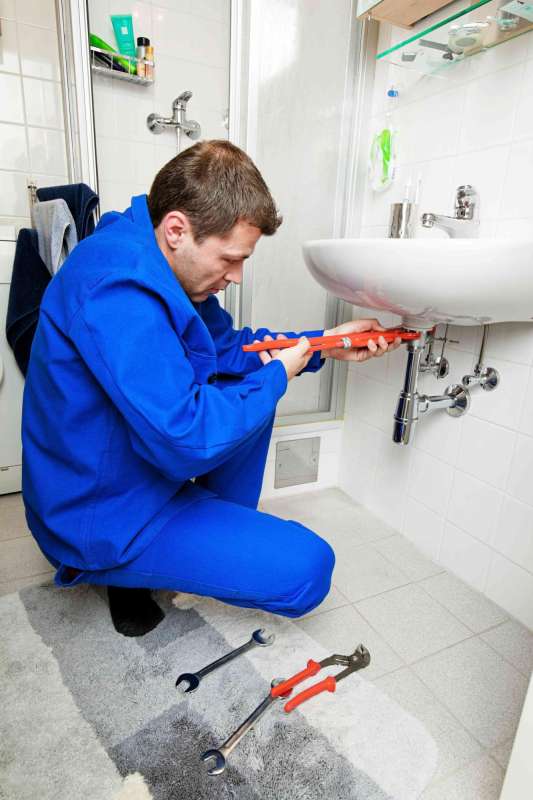
Regular cleaning to prevent obstructions and maintain circulation.
Fixing malfunctioning faucets, toilets, and other components.
Installation of sinks, faucets, toilets, tubs, and showers.

Emergency detection and repair to prevent risks.
Fixing gas leaks and making sure proper gas line operating.

Establishing systems for recycling household wastewater.
Installing and maintaining glowing floor heater.
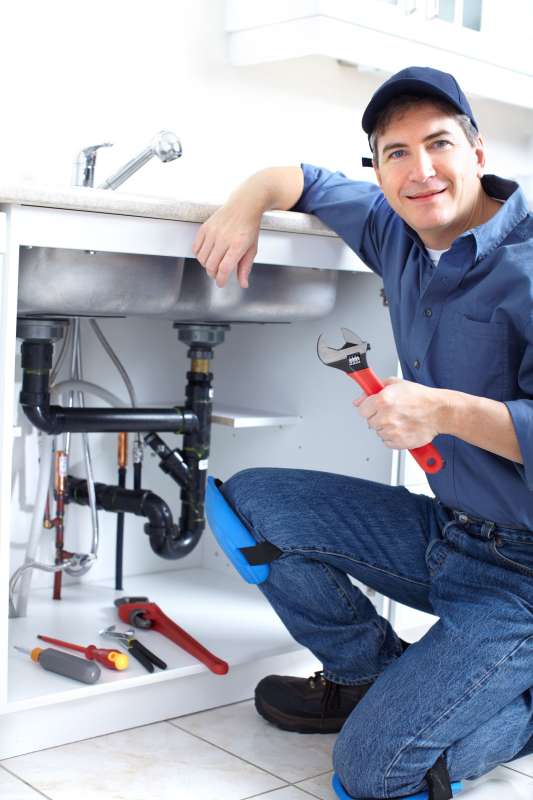
Specialized piping for factories or commercial settings.
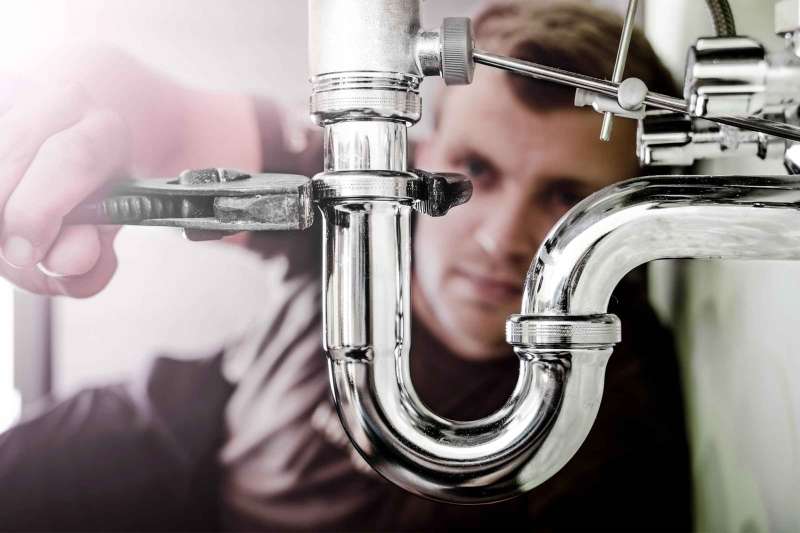
Installing and maintaining outside irrigation.
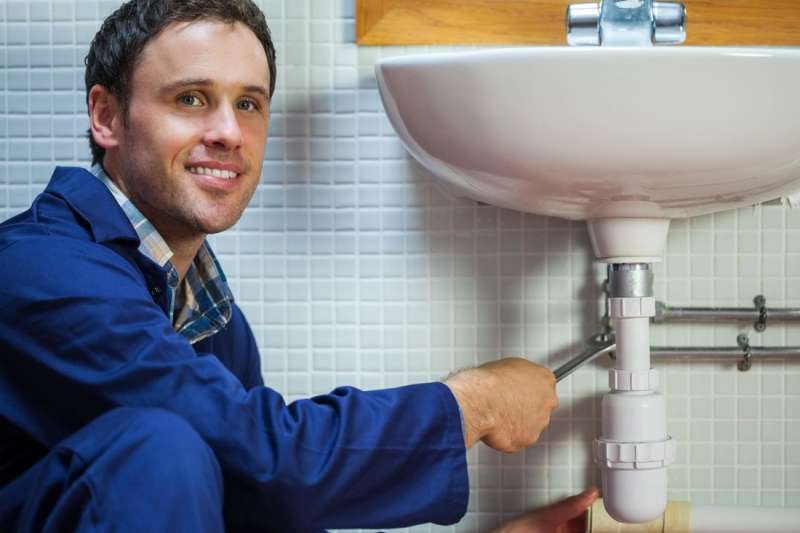
Plumbing systems for new buildings or renovations.
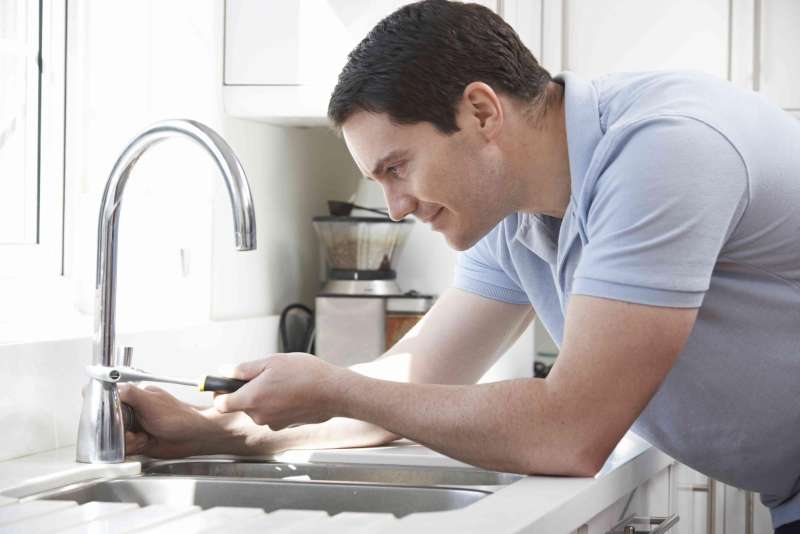
Fixing leakages in pipes, faucets, toilets, and appliances.
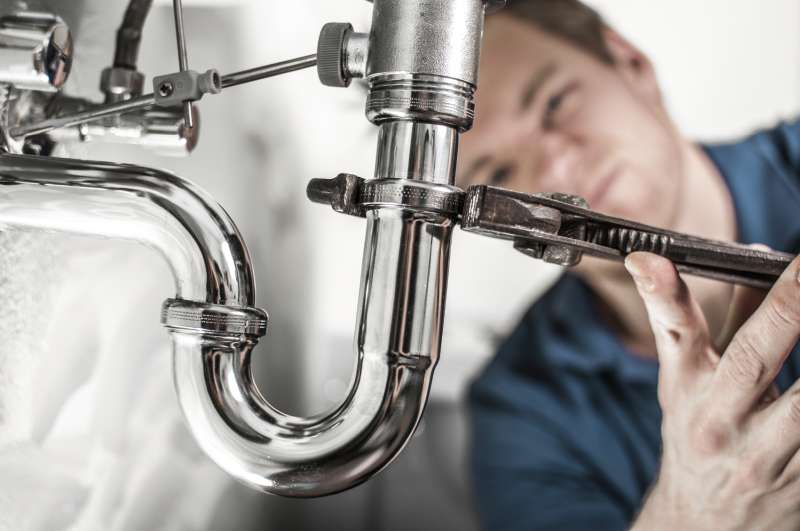
Quick resolution of severe clogs and overflows.
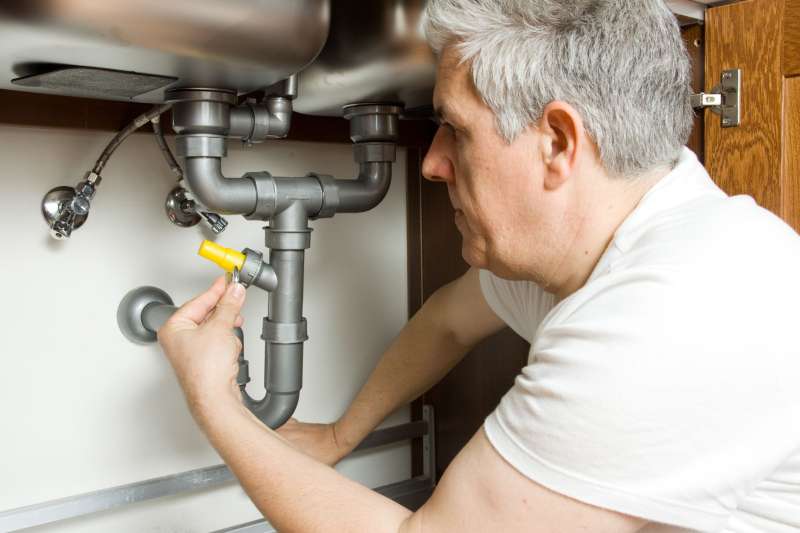
Utilizing electronic cameras to check pipelines for damage or clogs.
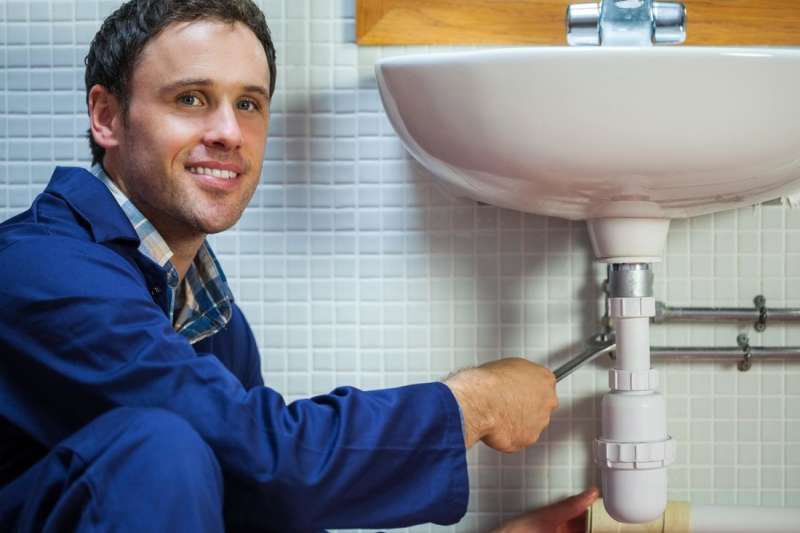
Repairing or changing burst, corroded, or harmed pipelines.
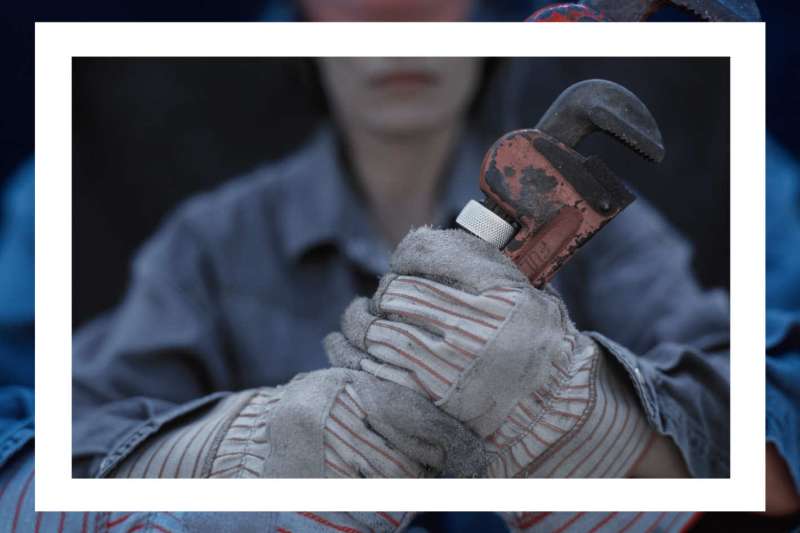
Installing brand-new piping systems for water, gas, and drainage.

Evaluating plumbing systems before buying residential or commercial property.
Installing systems to collect and use rainwater.
Ongoing maintenance services for companies.
Putting up, repairing, and preserving septic tanks.

Managing groundwater in basements.
Installing water-efficient or contemporary components.
Recommending on water-saving methods and products.
Installing water softeners and filtration systems.
Flushing and inspecting water heaters to extend lifespan.

Attending to issues with temperature, leaks, or failure to heat water.
Protecting basements or other areas from water intrusion.
Immediate attention to prevent contamination and health dangers.